While I was reading Dictee by Theresa Hak Kyung Cha, I was inspired to focus on writing for and with a non-English readership— especially one that was split between identities. Although all the terms of endearment in my Workshop submission are translated into English in one way or form, this is to symbolize the intersectional identities of everyone who participated in translating with me. Everyone was either a first-generation immigrant or grew up in a house with first-generation parents who often used endearment terms to refer to their children. While these words began as those exchanged between parents, or children and parents, they divulged into a space to include romantic and platonic affection as well.
The focus was primarily on codeswitching, although this is unclear from just reading or listening to the text because of the abundance of translanguaging. In all the languages provided, terms of endearment are constantly used in everyday language. I hear words like aşkım or canim daily in my multilingual home or when I am in Azerbaijan; however, you will not hear the equivalent, which would be closest to “my soul” or “my love,” often in conversation within a white hegemonic society— especially among strangers. Therefore, a level of displayed affection becomes lost when speaking in English. This made me consider how this language difference is reflected in different cultures. Words of affirmation in reassuring one’s love for another feel so natural in Azerbaijani but are much more forced in English due to the lack of words to incorporate into one’s conversation.
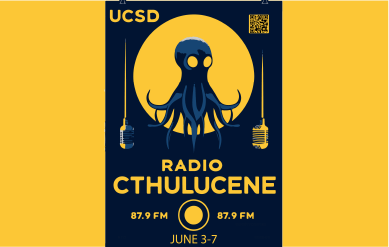
Another aspect of this project that was solidified in my reading of Dictee was the final form. Kyung Cha plays with the form on the page through images, fonts, calligraphy, letters, etc. I appreciate the constrictions the auditory form provides because it allows me to incorporate the translators into the final piece, giving them greater autonomy in the work. I plan on letting each translator say the word in their native tongue and then translate as they wish— whether with one word or thorough explanations with examples of their relationship with the term of endearment. The radio station feels like the perfect place for this work, as paper cannot capture the actual sound of the word, and a reader who is unfamiliar with alphabets such as Cyrillic or Farsi will be unable to understand the words on the page.
Above all else, I was glad to see how excited everyone was to work on this project with me. It sparked a lot of exciting conversations and created a sense of kinship. I discovered that Hindi and Urdu use the word jigger, which means my liver, which is pronounced similarly to ciyərim in Azerbaijani and means the same thing. I appreciated how enthusiastic everyone was to talk about their own language.
xx Deniz
 Radio Chthulucene 87.9 FM
Leave a comment